
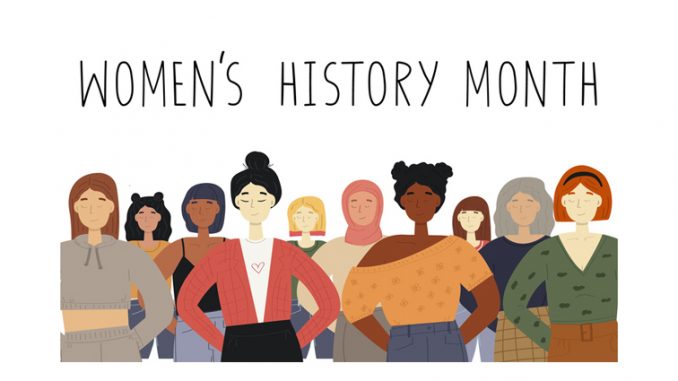
Women’s History Month….What Is It?
Women’s History Month is an annual observance in March to recognize the accomplishments, contributions, and historical significance of women. This month-long celebration is an opportunity to highlight the achievements of women across various fields, from science and politics to arts and business, and to inspire future generations.
Women’s History Month also encourages reflection on the progress made in gender equality while acknowledging the ongoing challenges women face worldwide.
How did Women’s History Month start?
The very first Women’s Day happened on February 28, 1909, to commemorate the one-year anniversary of the New York City garment workers’ strikes. However, Women’s History Month did not become a regular occurrence until decades later. In 1981, California’s Sonoma County Commission on the Status of Women created Women’s Week, coinciding with International Women’s Day, to honor women’s achievements. The idea gained momentum and in 1987, the National Women’s History Project successfully lobbied Congress to designate all of March as National Women’s History Month. Since then, it has become an annual observance in the United States and globally.
Contemporary Women’s Movements (2000s – 2020s)
Contemporary movements, such as #MeToo and the Women’s March, signify a resurgence of activism in the 21st century.
- #MeToo Movement: A global movement against sexual harassment and assault, #MeToo encourages survivors to share their experiences, exposing the prevalence of such issues in various industries and sparking discussions on consent and power dynamics.
- #BlackLivesMatter (BLM): While not exclusively a women’s movement, #BlackLivesMatter has sparked conversations about racial and gender injustices. Women within the movement advocate for the rights and safety of Black individuals, addressing systemic racism and violence.
- Time’s Up: Originating in response to sexual misconduct allegations in the entertainment industry, Time’s Up is a movement advocating for gender equality and workplace safety. It addresses issues of harassment and discrimination across various professions.
- Global Women’s March: The Women’s March is a series of global protests advocating for various women’s rights issues, including reproductive rights, gender equality, and social justice. These marches aim to amplify women’s voices and mobilize communities.
- Climate Justice Movements Led by Women: Women are prominent leaders in climate justice movements, advocating for environmental sustainability and addressing the disproportionate impact of climate change on marginalized communities, particularly women. Groups like Women’s Earth and Climate Action Network (WECAN) are actively involved in these efforts.
Women’s Rights Today
Despite considerable progress, women continue to face challenges in various aspects of life. Today’s women’s rights issues encompass wage disparities, limited access to education, and ongoing gender-based violence. Advocates work tirelessly to address these issues and create a more equitable world for women.
Challenges and Areas for Improvement
While significant strides have been made, challenges persist. Issues like systemic sexism, inadequate representation in leadership roles, and insufficient support for working mothers remain prevalent. Continued efforts are essential to dismantle these barriers, foster inclusivity, and ensure that the achievements of the women’s rights movements translate into lasting societal change.